


Agroforesterie
In the Pool Department, growing pressure on natural resources—particularly through shifting agriculture and firewood production—is accelerating deforestation and forest degradation.
Faced with an increasing need for food self-sufficiency and energy supply for the city of Brazzaville, these practices endanger local forests and weaken ecosystems.


In this context, our project aligns with climate change mitigation efforts by reducing pressure on natural forests. The establishment of agroforestry plantations over six hectares, combining fast-growing species such as acacia with fruit trees, aims to provide a sustainable alternative while actively involving local communities.
It is within this framework that we launched our second project in the village of Dieu-Le-Veut, located in the northern part of the Pool.
This new initiative represents a key step in our commitment, with a dual objective: to secure access to water through the construction of a borehole and to develop a sustainable economic activity centered on agroforestry.

This project also aims to ensure a sustainable supply of forest and agricultural products, thereby contributing to food security, poverty reduction, and biodiversity conservation.
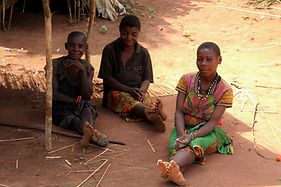


Our Mission

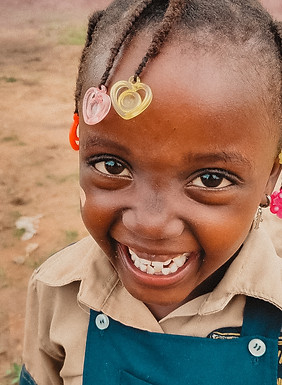
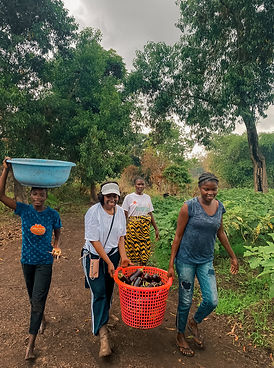
The agroforestry project follows a gradual, phased approach. The first phase focused on establishing the plantations and training the initial beneficiaries. The subsequent phases will aim to strengthen the site’s infrastructure, develop the processing of agricultural products, and enhance the community’s economic independence.

ACTUAL DATA AFTER 13 MONTHS:
A. Plantation
-
7,221 plants established with a diversified mix of agroforestry species:
fruit trees / local forest species / food crops -
Approximately 91 losses were compensated by replanting around 428 replacement seedlings
-
6.5 hectares fully planted and converted into an agroforestry system
-
Survival rate after replanting: ≈ 92%
B. Beneficiaries
-
120 beneficiaries trained, with 41% women, youth, and farmers
C. Remaining Actions
-
Monitoring and maintenance of the plantations
-
Continuation of technical training
-
Strengthening agricultural diversification
-
Support for the establishment of a local cooperative
-
Implementation of a water well


Femmes bénéficiaires et porteuses de projet
-
Women play a central role in the project, both in agricultural activities and in the processing and marketing of products.
-
-
They take part in hands-on training, apply agroforestry techniques on their family plots and community fields, and gradually become key facilitators for sharing knowledge with other community members.
-
-
Their involvement directly contributes to food security, income diversification, and the economic empowerment of households.

Installation of a borehole and water points
The installation of a borehole and water points is a priority to improve the daily lives of residents and facilitate upcoming agricultural activities. Access to water is a crucial prerequisite for any form of local development, especially in the northern Pool region, where access to potable water remains a major challenge.
Our first steps in agroforestry were made possible by the rains, but access to water has remained a constant challenge. Due to the lack of adequate infrastructure, we had to be resourceful by purchasing water several kilometers away, transported in jerrycans, and then storing the water in dug wells.
